Wood burning bath tubs bring a rustic, off-grid spa experience to backyards and cabins. These models heat water with a wood-fired stove, offering a natural, electric-free option for soaking and hydrotherapy. This guide highlights five top picks, based on capacity, build quality, heating speed, and safety features. Each section provides an at-a-glance look at what makes the product stand out, plus practical considerations for installation and maintenance.
Summary of selected products
| Product | Capacity | Key Benefit | Material |
|---|---|---|---|
| SaunaLife Model S4N | Up to 6 persons | Efficient dual-heat stainless heater and quick heat-up | Thermo-Spruce interior, fiberglass lining |
| Aleko Wood Hot Tub (4-5) | 422 gallons | Off-grid design with internal stove | Pine |
| QUELECO Heat Exchanger | Standard coil setup | Food-grade 304 stainless steel coil, customizable | Stainless steel |
| JRYTIN 34″ Cedar | 43 gallons | Compact footprint, natural cedar heat retention | Cedar |
| Canadian Redwood Cedar 5′ | 4-5 people | Robust heater and paddle included | Cedar |
SaunaLife Model S4N Wood-Fired Hot Tub
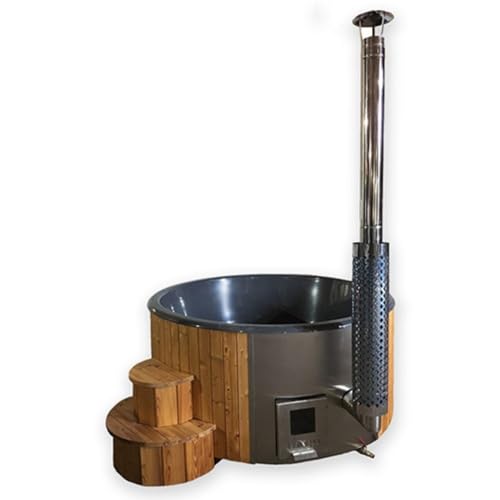
The SaunaLife Model S4N is a spacious, wood-fired hot tub designed for outdoor use with no electrical needs. Its interior holds over 304 gallons of water and features a thick dark grey contoured fiberglass lining for enhanced comfort. The dual-heat stainless steel heater supports efficient heating, with a polished stainless steel chimney for added safety. Rapid heat-up time aims to bring water to a comfortable bathing temperature in under two hours, making it suitable for weekend getaways or regular backyard soaking sessions.
Key features include: a corrosion-resistant 304 stainless steel wood-burning heater, dual heat compartments for efficiency, and an all-weather build that arrives fully assembled. The design prioritizes ergonomic bathing experiences outdoors, and the heater’s construction supports long-term use. Maintenance considerations include checking the fiberglass lining and chimney for buildup, as well as ensuring proper wood loading to maintain consistent heat.
Aleko Wood Hot Tub And Ice Bath (4-5 Person)

Aleko’s wood-fired hot tub doubles as an ice bath, offering hot water relief or cold plunge therapy. It operates off-grid, needing no electricity or pumps to function. The internal stove heats efficiently within a couple of hours, and the design emphasizes safety with a covered heater. This model suits users seeking a versatile, self-contained soak option that can be enjoyed off the grid, in remote yards, or in vacation rentals. The ability to switch between hot soak and cold plunge supports broad wellness routines.
Important considerations include ensuring a stable stove setup, keeping firewood dry, and observing temperature transitions when moving between hot and cold therapies. Regular inspection of seals and the wood-burning chamber helps prevent heat loss and ensures safe operation in outdoor conditions.
QUELECO Stainless Steel Heating Coil Heat Exchanger

The QUELECO coil heat exchanger is designed for outdoor wood-fired systems and emphasizes customization. Built from food-grade 304 stainless steel, it promises longevity and resistance to corrosion, especially in outdoor environments. The coil’s dimensions include a 1″ outer diameter with a 3/4″ NPT connection, providing flexible integration with various hot tub setups. This component is ideal for builders seeking a durable, non-electric heat transfer option to connect a wood-fired stove to a tub.
Key considerations include compatibility with existing hot tub dimensions, the need for proper bonding and mounting, and ensuring adequate water flow. Since the exchanger requires no electricity, it relies on convection and wood heat, which means regular monitoring of water temperature and ensuring seals remain airtight to prevent leaks.
JRYTIN 34-Inch Cedar Wooden Bath Tub

This compact cedar bath tub emphasizes space efficiency without sacrificing comfort. With exterior dimensions around 34 by 23 inches and a usable capacity of 43 gallons, it accommodates a comfortable soak for individuals or small groups in tight spaces. Cedar wood helps with natural insulation, aiding heat retention between uses. The design suits homes where a traditional, freestanding wooden tub is preferred, and its natural material adds a classic aesthetic for bathrooms or outdoor porches.
Practical considerations include proper assembly, wood selection for ongoing heat, and ensuring the tub remains level on flat ground. The compact size makes it a practical option for smaller bathrooms, cabins, or urban backyards requiring a stylish, space-saving soaking solution.
Canadian Redwood Cedar 5′ Outdoor Wood-Fired Hot Tub

This 5-foot cedar tub is designed to host four to five people, making it a social centerpiece for outdoor gatherings. It includes an upgraded 25 kW stainless steel wood-burning heater, stainless piping, and full plumbing to the heater and back. A paddle is provided for manual circulation, and a hard-top cover is included to protect the tub when not in use. The unit heats without electricity, typically within two to four hours, depending on ambient conditions and wood type. Assembly is practical for two to four people, with an estimated three to four hours for setup.
Key considerations involve ensuring a sturdy foundation, managing wood supply, and planning for seasonal maintenance. The included paddle and cover add value for easy water circulation and protection against debris and weather. This model balances capacity, durability, and a traditional hot tub experience in a robust cedar build.
Buying Guide:Wood-Fired Bath Tub Purchase Considerations
Heating and fuel availability
Wood-fired tubs rely on a steady supply of dry wood and a well-designed stove. Look for models with efficient, well-insulated fireboxes and heat exchangers that maximize energy transfer. Consider local wood availability and seasonal weather, since colder climates may require longer heat-up times.
Capacity and footprint
Choose capacity based on how many bathers you expect and how the tub will be used (solo soak, couples, or group soaking). Larger tubs offer social appeal but require more space and a strong, level foundation. Compact models fit interiors or smaller decks but may heat more slowly or hold less water.
Material and durability
Cedar and Redwood are common, offering natural insulation and aesthetic appeal. Fiberglass linings improve comfort and ease cleaning in some models. Inspect heaters and chimneys for corrosion resistance, especially in outdoor environments where rain and humidity are factors.
Installation considerations
No electricity is needed for many wood-fired tubs, but a solid base is essential. Check for level ground, drainage, and nearby ventilation for safe chimney operation. Ensure the tub is designed for outdoor exposure and can withstand temperature swings, moisture, and pests.
Safety and maintenance
Regularly inspect heat ex-changers, seals, and wood-burning components. Use a chimney cap to minimize embers escaping. Clean the interior surfaces to prevent algae or mineral buildup, and drain the tub according to the manufacturer’s guidelines. Off-grid setups should include a plan for safe fuel storage and fire management.
Maintenance versus convenience
Wood-fired tubs offer a rustic experience, but they require hands-on maintenance—fuel management and fire control—unlike electric tubs with pumps and filtration. If convenience is a priority, consider models with durable linings and straightforward assembly, or hybrid systems that combine wood heat with basic water circulation features.
In choosing a wood-burning bath tub, weigh capacity, heating speed, material quality, and ease of use. The listed models cover a range of needs—from family-sized gatherings to compact spaces—while maintaining a focus on off-grid operation and long-term durability.