Pointing bricks requires a reliable mortar compatible with high-heat areas, weather exposure, and long-term durability. This guide highlights top cement and mortar products, plus handy jointers, to help homeowners and professionals achieve clean, lasting brickwork. Each item is evaluated for ease of use, curing behavior, and suitability for exterior or indoor projects.
Summary of chosen products:
- QUIKRETE Construction Grade Mortar Mix
- SOLIDLAND Refractory Mortar (3.5 LBS)
- Rutland Refractory Cement 64 Oz
- Otoolling 1/2″ x 5/8″ Masonry Stainless Steel Jointer
- Lothee Double Ended Brick Jointer
QUIKRETE Construction Grade Mortar Mix

QUIKRETE Construction Grade Mortar Mix combines masonry cement with graded sand to create a general-purpose mortar suitable for laying brick, concrete units, and stone. It sets with air cure and is designed for exterior and interior masonry work. The blend emphasizes workability and bond strength, reducing cracking and maintaining joint integrity over time. For pointing, it provides a stable base and a uniform finish, making it a versatile option for rebuilding or repointing mortar joints in standard brickwork.
SOLIDLAND Refractory Mortar (3.5 LBS)
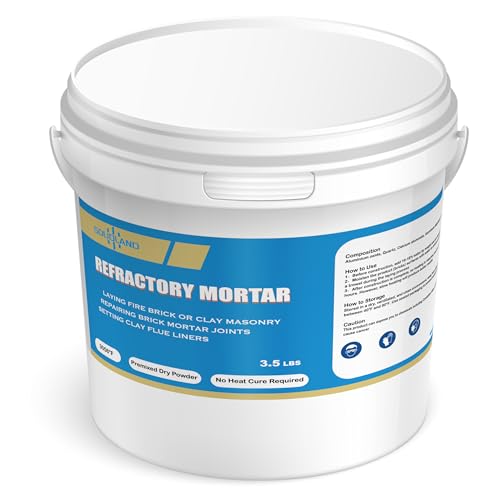
SOLIDLAND Refractory Mortar is a high-temperature bonding agent designed for firebrick and other refractory materials. Suitable for fireplaces, kilns, and incineration environments, it cures with exposure to air after mixing with water. This product helps seal joints and support firebricks under elevated heat conditions, making it a practical choice for masonry work adjacent to heat sources. It emphasizes durability and heat resistance, which can be important when re-pointing joints near flames or high-temperature zones.
Rutland Refractory Cement 64 Oz
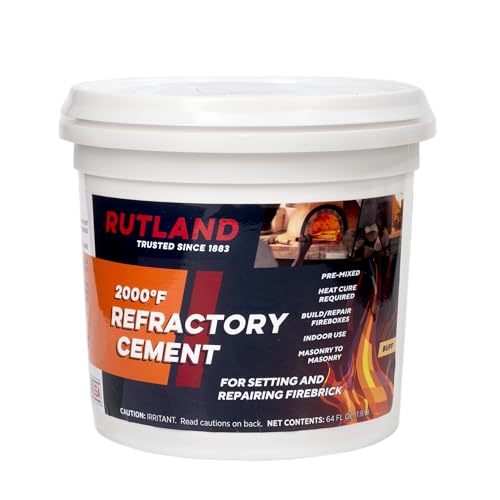
Rutland Refractory Cement is a pre-mixed, fiber-reinforced cement designed for high-temperature bonding and filling gaps between firebricks. This interior-use cement is ready to apply, forming a thick, smooth joint that resists spalling in firebox environments. It’s suitable for repairs around fireplaces and stoves, where normal mortar might not withstand repeated heating. The fiber reinforcement adds strength and helps prevent cracking under thermal cycling.
Otoolling 1/2″ x 5/8″ Masonry Jointer
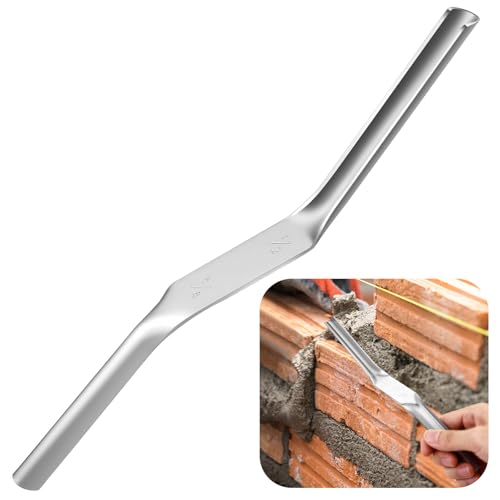
This stainless steel brick jointer offers dual blade widths (1/2″ and 5/8″) for versatile tuck pointing. The tempered, rust-resistant blade yields clean, uniform joints with less effort. Its curved ends help shape mortar joints smoothly, reducing hand fatigue during long pointing sessions. An ergonomic grip and durable construction make it suitable for both DIY projects and professional repairs on brick and block walls.
Lothee Double Ended Brick Jointer

The Lothee brick jointer provides two dual-headed options (3/8″ x 1/4″ and 1/2″ x 5/8″). Made from durable stainless steel, it’s designed to retain shape and edge definition through repeated use. The straight rod with a bent end offers precise control for confined joints, helping achieve consistent mortar lines and a polished appearance. This tool complements both new brickwork and restoration projects where accuracy matters.
Buying Guide: Key Purchase Considerations
- Heat and weather resistance: For areas near fireplaces, stoves, or outdoor bricks, select refractory mortars or cements designed to withstand high temperatures and thermal cycling. Pre-mixed options with fiber reinforcement can improve durability in heat-heavy joints.
- Ease of mixing and cure: Some products require water mixing and air curing, while others are ready-to-use. Consider your project schedule, climate, and whether you prefer quicker handling or longer open time for adjustments.
- Joint appearance and finish: Joints should be uniform and smooth. Tools like dual-head jointers offer flexibility for different joint profiles, while stainless steel ensures longevity and easy cleaning.
- Compatibility with brick types: For standard brickwork, a general mortar mix is often sufficient. For firebricks or high-heat zones, opt for products labeled for masonry or refractory use to ensure optimal bonding and resistance to heat.
- Dry vs. pre-mixed options: Dry mixes require precise water ratios but can be cost-effective for large jobs. Pre-mixed cements save time and reduce on-site measurement errors, especially for smaller repairs.
- Safety and ventilation: Follow product instructions for mixing and ventilation, especially when dealing with cement dust or high-heat formulations. Wear gloves and eye protection as a standard precaution.
- Tool compatibility: Pointing joints benefits from properly sized jointers. Stainless steel tools resist corrosion and deliver clean lines, while ergonomic handles help with extended use.
- Cure time and final strength: Mortars and cements gain strength as they cure. Plan the project timeline to avoid disturbance and ensure joints reach full bonding strength before exposure to heavy use or freezing conditions.
Tips for Best Results
- Prepare joints thoroughly: Remove old material, clean dust, and dampen joints before applying new mortar for better adhesion.
- Test small batches: If mixing a new product, test in a non-critical area to confirm color, texture, and set behavior before full-scale application.
- Backer rod or filler considerations: Use appropriate backing materials to control joint depth and avoid excessive mortar in deep joints, which can crack as it dries.
- Tool maintenance: Clean jointer blades after use to prevent residue buildup, ensuring consistent joint lines on every pass.