Protecting basement floors from water intrusion is essential for durability and indoor air quality. The right sealer can block moisture, reduce efflorescence, and safeguard concrete from freeze-thaw damage. This guide highlights five trusted products designed for basement applications, reflecting a range of penetrating and film-forming solutions. Each option offers distinct advantages depending on concrete condition, drainage, and ventilation considerations. Read on to compare features, performance, and installation notes to choose the best basement floor sealer for your home.
Summary of selected products:
| Product | Brand | Type | Key Benefit |
|---|---|---|---|
| Ames Block & Wall Liquid Rubber | AMES | Liquid rubber coating/sealer | Flexible, water-tight sealant for basements and foundations |
| KILZ Basement & Masonry Waterproofing Paint | KILZ | Waterproofing paint | Blocks water infiltration on porous masonry surfaces |
| RadonSeal Plus Deep Penetrating Sealer | RadonSeal | Penetrating concrete sealer | Deep penetration to stop water, vapor, and radon ingress |
| 1 Gallon Concrete Sealer (OAIEGSD) | OAIEGSD | Water-based penetrating sealer | Breathable barrier with water resistance for outdoor and indoor areas |
| Siloxa-Tek 8500 Ready to Use | Ghostshield | Penetrating silane/siloxane sealer | Low odor, vapor-permeable protection with long-lasting durability |
Ames Block & Wall Liquid Rubber Waterproofer
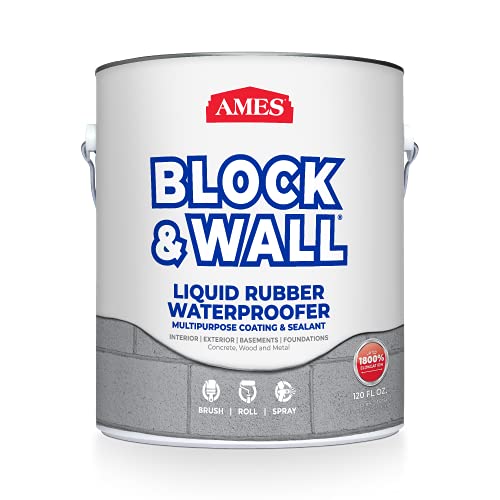
AMES Block & Wall Liquid Rubber Waterproofer is a versatile coating designed for concrete and masonry surfaces, including basement walls and foundations. This white liquid rubber coating expands and contracts with temperature changes, providing a flexible moisture barrier. The product’s weight and formulation suit larger basement projects where a durable, film-forming seal is desirable. While the packaging notes production in China, the finish offers a wipeable, seamless appearance once cured, with broad applicability for sealing porous substrates commonly found in basements.
Key considerations include surface prep, curing time, and compatibility with existing paints or coatings. For basements with active leaks or hydrostatic pressure, this option can form a robust surface layer that resists minor water exposure and helps manage damp surfaces. It is not a damp-proof, lifetime solution but can be an effective part of a broader waterproofing system when combined with proper drainage and ventilation.
KILZ Basement and Masonry Waterproofing Paint
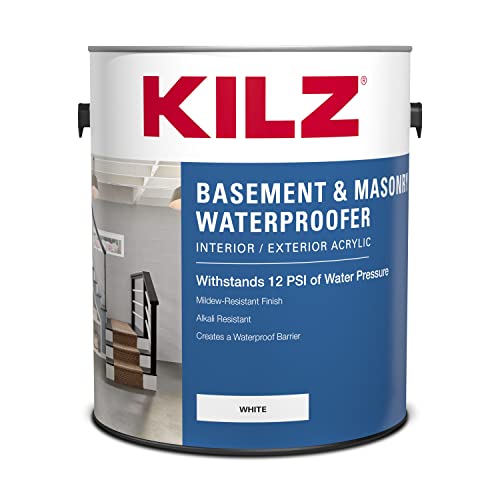
KILZ Basement and Masonry Waterproofing Paint is a premium interior/exterior coating formulated to waterproof and seal porous concrete and masonry surfaces both inside and outside your home. Using nanotechnology, this paint forms a barrier to reduce water infiltration, with an alkali-resistant coating that provides a durable, decorative finish. It’s suitable for properly prepped and cured above- and below-grade basement walls, masonry walls, and other concrete substrates. It is not recommended for floors or walls with active leaks, but it can provide a lasting seal on walls facing moisture exposure when applied correctly.
Considerations for use include surface preparation, curing conditions, and compatibility with ventilation. This option blends sealing with aesthetic finish, offering a white decorative coating while still delivering moisture resistance. For basements with modest moisture issues, it serves as an effective passive barrier when combined with adequate drainage and a well-maintained sump or humidity control strategy.
RadonSeal Plus Deep Penetrating Concrete Sealer

RadonSeal Plus Deep Penetrating Concrete Sealer works by penetrating up to several inches into concrete to block water, vapor, efflorescence, and radon gas. This product strengthens and preserves concrete by reducing dusting, crazing, and damage from salts and freeze-thaw cycles. Its water-based formula is ZERO VOCs, odor-free, and free of solvents or toxins, making it suitable for indoor use without health concerns. The deep-penetrating action helps establish a durable internal barrier that resists hydrostatic pressure and moisture migration from basement walls and floors.
Important considerations include ensuring proper ventilation during application and understanding that deep penetration may require longer curing times. This option is ideal for basements with significant moisture concerns or radon risk, and it pairs well with surface sealers for enhanced protection. Because it forms an integral part of the concrete, maintenance is minimal once cured, delivering long-lasting performance in damp environments.
1 Gallon Concrete Sealer (OAIEGSD)

The OAIEGSD penetrating water-based silane/siloxane sealer provides invisible surface protection by forming a barrier that resists water, oil, and chemicals. It is designed for outdoor, driveways, patios, and masonry, but can be used in indoor environments where moisture exposure is a concern. The product promises extended lifespan for concrete surfaces by reducing water absorption and damage from freeze-thaw cycles, while maintaining a natural look since it is a penetrating sealer that does not film over the surface.
Key purchase considerations include ventilation, dry surface conditions, and compatibility with indoor air quality goals. For basements, it provides a protective layer that helps prevent staining and moisture ingress without altering appearance, making it suitable where a natural look is preferred. It is often used as part of a layered approach—penetration sealer combined with a surface membrane for heavy moisture zones.
Siloxa-Tek 8500 Ready to Use
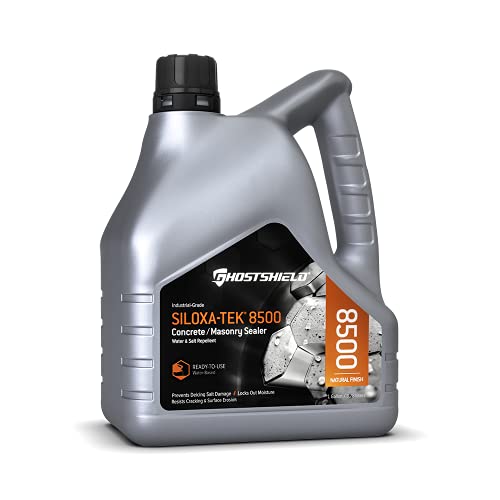
Ghostshield Siloxa-Tek 8500 Ready to Use is a penetrating silane/siloxane sealer designed to reduce water and moisture intrusion while remaining breathable. It leaves surfaces with their natural appearance and features a low-VOC formula. As a DOT-approved product, it withstands surface damage from chlorides and deicing salts, and it mitigates cracking, spalling, and pitting associated with freeze-thaw cycles. Its active ingredients are significantly higher than many competing water-based sealers, delivering durable protection against wind-driven rain and moisture.
Considerations include the need for multiple coats on particularly porous surfaces and ensuring the surface remains clean and dry during application. For basements, this option provides long-term protection without altering the look of concrete walls, making it suitable for homeowners who prioritize a natural finish and breathability in their moisture management strategy.
Flex Seal Liquid — Roof and Basement Coating

Flex Seal Liquid is liquid rubber in a can, offering a flexible, waterproof coating that can be brushed, rolled, dipped, or poured. It provides a watertight seal for basements, roofs, and various surfaces including masonry. The coating forms a durable, breathable barrier against water, air, and moisture. It is particularly useful for sealing seams and cracks and can be applied to a range of substrates, including concrete and masonry. While it creates a surface coating rather than a penetrating seal, it can be an effective component of a basement waterproofing plan in combination with proper drainage and curing.
Key considerations include surface preparation, UV exposure, and the need for reapplication in high-traffic or exposed areas. For basements, ensure adequate ventilation during application and consider combining with a moisture management system for comprehensive protection.
IncStores Rubber Floor Finish & Sealer

IncStores Rubber Floor Finish & Sealer provides a glossy finish for rubber gym floors and mats, offering sealing with a low-odor acrylic composition. While primarily intended for rubber flooring, it demonstrates the broader concept of sealing surfaces to reduce wear, moisture absorption, and spills. In a basement setting, similar approaches can help protect rubber flooring or mats placed on concrete, contributing to a more maintainable and moisture-controlled environment. Consider compatibility with existing floors and the desired aesthetic when integrating this product into a basement waterproofing plan.
Buying Guide: Key Purchase Considerations and Comparisons
- Penetration vs. film-forming: Penetrating sealers (RadonSeal Plus, Siloxa-Tek 8500, OAIEGSD) protect from within the concrete and preserve appearance; film-forming sealers (Ames, Flex Seal) create a surface barrier that can be easier to apply but may require maintenance over time.
- Moisture level and hydrostatic pressure: For basements with active leaks, a combination approach often yields the best results—penetrating sealers to reduce moisture ingress and surface coatings for immediate protection.
- VOC and indoor air quality: Opt for ZERO or low-VOC formulas when indoor use is a priority, especially in living spaces connected to basements. RadonSeal Plus emphasizes zero VOCs for safer indoor applications.
- Surface prep and compatibility: Porous concrete, efflorescence, and existing coatings influence performance. Follow manufacturer prep guidelines to maximize adhesion and effectiveness.
- Breathability and durability: Sealer choice should balance moisture management with the need for surface breathability to prevent trap moisture and mold growth.
- Long-term maintenance: Some products require reapplication intervals or periodic inspections. Prioritize solutions with clear maintenance expectations in damp environments.
- Environmental considerations: For basements used for living space or storage, indoor-safety features and odor considerations may guide product selection toward low-odor, low-VOC options.
In selecting a basement floor sealer, identify the primary moisture source, the project’s scale, and whether you prefer a penetrating or surface-sealing approach. For many homes, a layered strategy—combining a deep-penetrating sealer with a surface coating and proper drainage—delivers durable protection against moisture, salts, and radon-related concerns. Always follow product-specific application instructions and consider consulting a waterproofing professional for extensive basements or ongoing water issues.