Choosing the right bottom floor guide for a barn door helps prevent floor scratches, reduces wobble, and keeps the door aligned as it slides. This guide reviews five top-rated options that emphasize flush bottom designs, adjustable fit, and durable materials. Each product listing includes key features to help you compare installation needs, door thickness compatibility, and mounting style. Use the summary table to quickly compare fit, price considerations, and install requirements before making a purchase.
Summary Table of Selected Products
| Product | Brand | Thickness Compatibility | Installation Style | Notes |
|---|---|---|---|---|
| SMARTSTANDARD Sliding Barn Door Floor Guide (Black) – 1 PCS | SMARTSTANDARD | 1.92″–3.63″ (approx) | Wall mount; 8 adjustable options | Flush bottom groove protects floor |
| SKYSEN Barn Door Floor Guide Wall Mount Stay Roller – 2 Pack | SKYSEN | 8 setup options; adjustable | Wall mounted | Completely flush bottom possible |
| SMARTSTANDARD Sliding Barn Door Bottom Floor Guide (2 Pack) | SMARTSTANDARD | Suitable for a range of doors; 2 rollers | Wall mounted; no floor groove required | Quiet, smooth operation |
| EaseLife Sliding Barn Door Bottom Floor Guide | EaseLife | Fit up to 3″ thick doors | Wall mounted | Durable steel with black powder coating |
| AONAYIOA Sliding Barn Door Bottom Floor Guide | AONAYIOA | 0.98″–1.89″ (width range stated) | Wall mounted; dual-sided nylon rollers | Low profile; supports various panel styles |
SMARTSTANDARD Floor Guide Black – 1 Pack
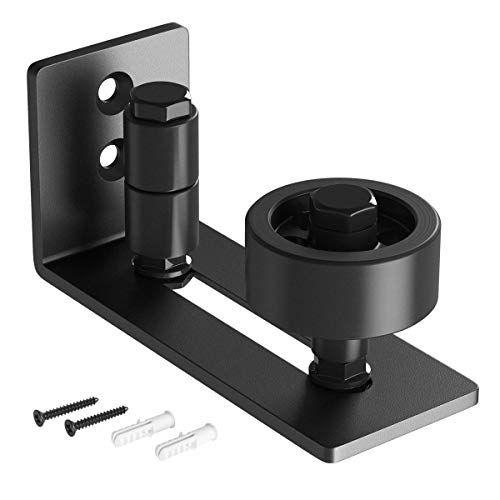
Material and construction emphasize durability: solid steel with POM nylon rollers and a frosted black finish. The design includes eight adjustable assembly options to accommodate door thickness variations from about 2 1/4″ to 3 5/8″ and a flush bottom groove to safeguard floors during sliding. Installation focuses on wall mounting, avoiding any need to groove the floor. This option suits DIYers seeking versatility and a clean, flush floor profile.
SKYSEN Floor Guide Wall Mount Stay Roller – 2 Pack

This model provides eight setup options to tailor the guide to your door and wall configuration. It emphasizes a completely flush bottom via CNC-cut adapters, eliminating the need to drill floor holes. The wall-mount design keeps mounting simple and minimizes floor modifications, which can be advantageous in rooms with limited under-floor access. Countersunk holes and included felt strip help reduce sliding friction and protect surfaces.
SMARTSTANDARD Sliding Barn Door Bottom Floor Guide – 2 Rollers

This kit includes two floor guides with a robust steel frame and POM nylon rollers. It is designed to install on a wall with no floor groove requirement, making it adaptable for existing floors. The product highlights include a frosted black surface and a straightforward installation process, with all necessary hardware provided. The dual-roller setup supports smoother, more stable door movement on wider panels.
EaseLife Floor Guide – Adjustable, Wall Mounted

EaseLife emphasizes a durable solid steel build with a smooth black powder coating. The wall-mounted design supports doors up to 3 inches thick and features a fine-tuned finish to resist corrosion. The design prioritizes ergonomic handling with chamfered edges and a tidy, compact profile. It offers solid performance for multiple door styles while maintaining a silent, low-friction slide.
AONAYIOA Floor Guide – Aluminum Alloy

AONAYIOA combines an aluminum alloy body with smooth nylon rollers for a lightweight yet durable solution. The design emphasizes dual-sided pulleys for a balanced ride and a concealed appearance when mounted. It supports a range of door thicknesses and is adaptable to various panel styles, including glass and wood, making it a versatile choice for modern interiors. The wall-mount approach minimizes floor impact and helps preserve floor finishes over time.
Buying Guide: What To Consider When Choosing a Bottom Floor Guide
- Door thickness compatibility: Many guides specify thickness ranges or adjustable options. Confirm your door’s thickness before purchasing to avoid misfit.
- Mounting style: Wall-mounted guides keep the floor unobstructed and can simplify installation, especially on existing floors. Floor-mount or flush-bottom options may be necessary for certain room layouts.
- Bottom design and floor protection: Look for a flush or groove bottom that protects the floor from scratches and reduces friction during sliding. Some models include felt or nylon liners for quieter operation.
- Roller material and noise: Nylon or POM rollers tend to run smoothly and quietly. Steel components add durability but may require lubrication over time.
- Adjustability: Multi-configuration options allow adaptation to different door widths and wall clearances, reducing the chance of misalignment after installation.
- Material and finish: Powder-coated finishes resist corrosion and wear, especially in high-traffic areas or humid environments. Match the finish to the door hardware for a cohesive look.
- Installation complexity: DIY-friendly kits with simple mounting hardware can save time. Check whether pre-drilled holes, anchors, and screws are included for your wall type.
- Compatibility with door styles: Some guides perform better with wood doors, while others support glass or mixed-material panels. Review product notes for best-fit guidance.
In selecting a bottom floor guide, prioritize a flush bottom or minimal-floor-impact design, robust mounting options, and adjustable compatibility to ensure smooth, quiet operation across a range of door sizes and styles. The reviewed products offer varied approaches to installation, enabling options for most DIY projects involving barn doors in American homes.