Choosing an air purifier for a baby’s room means prioritizing quiet operation, effective filtration, and safe design features. The selections below emphasize true HEPA filtration, real-time air quality awareness, and sleep-friendly performance to help reduce pollen, dust, odors, and smoke in nurseries. Each product listed offers features aimed at protecting infant breathing zones while maintaining a calm, comfortable sleeping environment.
| Product | Brand | Key Benefit | Filtration | Notes |
|---|---|---|---|---|
| Frida Baby 3-in-1 Air Purifier | Frida Baby | All-in-one bedside purifier with white noise | HEPA | Auto-off timer; easy-change filter every 90 days |
| Momcozy Nursery Air Purifier | Momcozy | Real-time air quality monitoring for quick checks | H13 HEPA + activated carbon | 21 dB sleep mode; dimmable night light |
| Sereniby Air Purifier for Baby | Sereniby | Safe-sleep design with precise sensors | Medical-grade HEPA | Laser-accurate air quality and temperature sensors |
| Pure Enrichment PureBaby On-the-Go | Pure Enrichment | Portable purifier for travel or on-the-go use | True HEPA with carbon | Cordless, clip-on versatility for strollers and cribs |
| Jafända Air Purifier for Home | Jafända | Compact design with strong CADR | 3-stage True HEPA | Good for smaller rooms; 5 air changes per hour in mid-size spaces |
Frida Baby 3-in-1 Baby Air Purifier for Allergy Relief

The Frida Baby 3-in-1 unit combines an air purifier with a built-in nightlight and a sound machine to help infants fall asleep while the purifier operates at multiple fan speeds. Its HEPA filtration targets smoke, odors, and general household pollutants, contributing to a cleaner nursery environment. The filter is designed for easy replacement every 90 days, supporting low-maintenance use in busy homes.
Momcozy Nursery Air Purifier
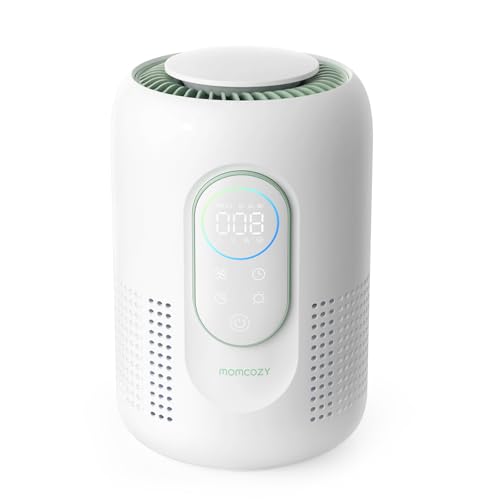
Momcozy offers a four-filter system that includes an H13 HEPA stage and activated carbon for odors common in nurseries. Real-time PM2.5 monitoring provides a numeric readout and a color-coded status ring, reducing guesswork for caregivers. With ultra-quiet operation at 21 dB and a dimmable night light, it is designed for nighttime use without disrupting sleep.
Sereniby Air Purifier for Baby
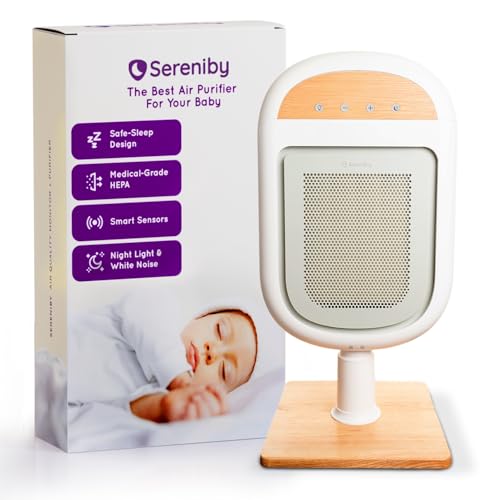
Sereniby emphasizes a safe-sleep design that ensures air from a baby’s breathing zone is gently circulated. It uses medical-grade HEPA filtration to address viruses, wildfire smoke, pollutants, and allergens with a claim of high efficiency. Real-time sensors provide alerts in line with pediatric guidelines, helping caregivers maintain a calm, clean nursery.
Pure Enrichment PureBaby On-the-Go Air Purifier

This portable purifier is designed for personal air spaces around a baby. Its two-stage filtration removes 99.97% of airborne contaminants, with a cordless design and a clamp that fits strollers, cribs, and car seats. The compact form factor supports travel or transitions between rooms while maintaining quiet operation for sleep periods.
Jafända Air Purifiers for Home
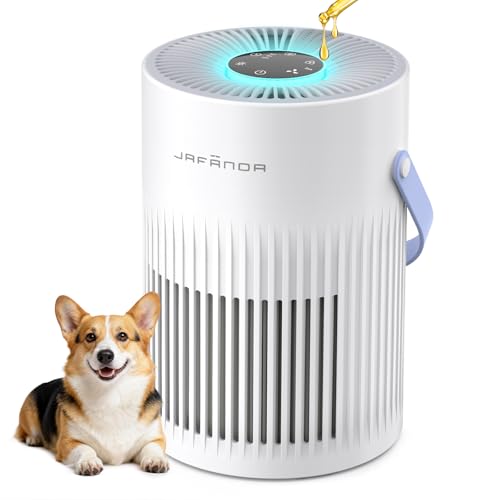
Jafända provides a robust CADR with 5 air changes per hour for mid-sized rooms. A 3-stage True HEPA filtration captures 99.97% of particles as small as 0.1 microns. The unit’s 360° intake and portable design support flexible placement in a nursery or living space while maintaining a quiet profile suitable for babies’ sleep cycles.
Buying Guide: Key Purchase Considerations
- Filtration quality: Look for true HEPA filtration (at least H13 where possible) to capture fine particles, pollen, dander, and smoke. Activated carbon helps with odors common in nurseries.
- Noise levels: Sleep-friendly models target 20-25 dB in low mode. In nurseries, low noise helps prevent infant sleep disruption.
- Safe sleep design: Prioritize units with stable bases, no sharp edges, and features that avoid emitting excessive heat or bright lights that could disturb sleep.
- Real-time air quality feedback: PM2.5 monitoring or laser-based sensors help caregivers respond to changes in air quality quickly.
- Maintenance: Filter replacement frequency and ease of access matter for busy households. Ease of cleaning reduces long-term upkeep.
- Size and coverage: Match the purifier’s coverage to the nursery size. Smaller rooms benefit from compact purifiers, while larger bedrooms may require higher CADR models.
- Portability: A lightweight, easily movable unit allows quick relocation between rooms, especially in multi-child homes or apartments.
- Safety certifications: Look for UL listing or other recognized safety certifications where available to ensure compliance with electrical safety standards.
In evaluating these options, consider how each purifier balances filtration strength with quiet operation, especially during nighttime. Real-time air quality readouts can reduce guesswork, while safe sleep features help maintain a calm nursery environment. The best choice will depend on room size, whether travel functionality is needed, and how much maintenance you prefer to handle.