In the interior design field, a well-crafted business card makes a lasting first impression. This article highlights five compelling business card options suitable for designers, showrooms, and studios. Each sample blends aesthetic appeal with practical features—customization, durable stock, and print quality—to help you convey a polished brand identity.
The table below provides a quick snapshot of the chosen products, including brand, primary material, and key features to guide your selection.
| Product | Brand | Material/Format | Notable Features |
|---|---|---|---|
| Toperd 120 Pieces Small Mini Cards | Toperd | 250gsm card; mini 3.66 x 2.37 in | |
| Custom Business Cards – Upload Your Design – 16pt | Bunny Badges | 16pt cardstock | Personalize with logo/image; quick design; professional look |
| Custom Printed Business Cards – 300GSM | DISCOUNTCARDSTOCK.COM | 300GSM thick stock; standard 3.5 x 2 in | Solid, sturdy feel; customization available |
| GotPrint Custom Business Cards 2×3.5 | GotPrint | 14pt gloss; double-sided full color | High gloss finish; bidirectional customization |
| Custom Premium Business Cards 100 pcs | IMPACTONLINEPRINTING | 16pt/14pt options; 350gsm/308gsm options | Full color; multiple quantity options; handmade feel |
The sections that follow delve into each option’s strengths, with attention to how interior design brands can leverage them for client engagement, showroom touchpoints, and professional networking.
Toperd Vintage Mini Cards For Creative Messaging

The Toperd mini cards are compact and versatile, offering 120 pieces in a 12-color palette. Made from 250gsm card stock, these cards are sturdy enough to handle notes, mini designs, or showroom messages without fading. Their writable surfaces on both sides are ideal for jotting client notes, appointment details, or quick sketches of design ideas. Use them as gift tags, quick consultation notes, or as pocket-ready reminders during client meetings. This set can help designers present a tactile, artisanal touch that complements boutique showrooms and home-styling sessions.
Custom Design Cards With Your Logo
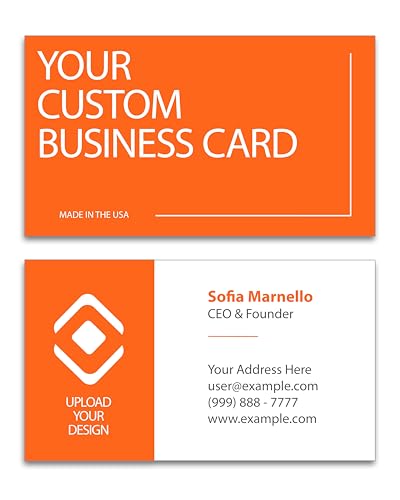
These Custom Business Cards from Bunny Badges prioritize brand fidelity. The 16-point cardstock delivers a solid, premium feel, while the upload-and-design workflow makes it easy to align your card with your interior design brand—logo, typography, color scheme, and messaging. This option is particularly well-suited for branding-focused studios or designers seeking a professional, crisp appearance when presenting proposals, mood boards, or project timelines to clients at meetings or in-office studios.
Thick Sturdy 300GSM Custom Cards

With a robust 300GSM stock, these cards offer a substantial, durable feel that stands up to frequent handling in design studios and client showrooms. The option to personalize with your business name and contact information supports clear, durable branding. The sturdy stock makes a positive impression when handed to clients during in-person consultations, drawing attention to your professional tone and commitment to quality materials—an important signal in interior design projects that involve finishes and furnishings.
GotPrint 2×3.5 High-Gloss Printed Cards

GotPrint’s standard 2×3.5 cards rely on a glossy 14-point stock, delivering a bright, attention-grabbing finish. The double-sided full-color printing enables bold visuals—perfect for interior design portfolios, before-and-after photography, or mood-board highlights. This format suits design studios that emphasize visual storytelling, allowing you to showcase a snapshot of your design style on the card’s reverse side, while keeping essential contact details legible on the front.
Premium Custom Cards In Multiple Paper Weights
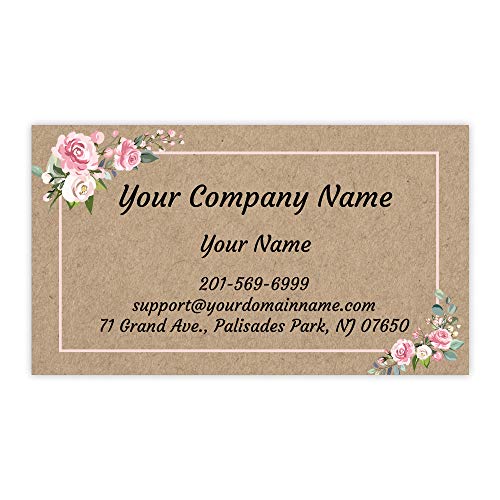
Impact Online Printing’s premium options cater to designers who want a high-end hand feel. Available in 16pt (350gsm) or 14pt (308gsm) with full-color options, these cards are crafted for a luxurious touch. The ability to choose heavier stock and a robust finish supports a premium brand narrative—especially applicable for showrooms where clients experience textures, patterns, and material samples. While proofs may be requested, the emphasis here is on delivering a strong, durable card that mirrors design quality.
Buying Guide: What To Consider When Choosing Interior Design Business Cards
Brand Alignment and Visual Identity
Choose a card that reflects your studio’s aesthetic—minimalist, ornate, modern, or classic. Consider color schemes, typography, and card shape. An interior design brand card should feel cohesive with your portfolio, website, and showroom displays to create a seamless client experience.
Card Stock And Finish
Stock weight and finish influence durability and tactility. Thicker stock (e.g., 14pt, 16pt, or 300GSM) communicates quality and can handle handwriting or quick notes. Matte finishes reduce glare for legibility, while gloss finishes enhance imagery, which is advantageous for design-forward portfolios and mood boards.
Print Quality And Color Management
High-resolution printing and accurate color reproduction matter when showcasing design samples and branding. If your cards will feature photos, logos, or gradients, prioritize a vendor offering color-consistent proofs and reliable double-sided printing options.
Customization And Personalization
Customizable cards allow you to embed your logo, contact details, and a short value proposition. For interior designers, including a link or QR code to a digital portfolio or showroom calendar can improve lead capture and client engagement.
Practicality For Showrooms and Meetings
Consider formats that suit showroom environments: mini cards can serve as pocket reminders or gift tags, while standard 3.5 x 2 inch cards fit wallets and cardholders. If you host client meetings, cards that come with cases or organized packaging can help keep brand presentation tight and professional.
Cost, Quantity, And Lead Time
Plans range from small bundles to larger quantities. For agencies building a network, it may be practical to stock a mix of mini and standard cards to handle different touchpoints—from informal in-office exchanges to formal consultations. Confirm production timelines and proofs before ordering large runs.
Environmental Considerations
Many designers prefer recycled or responsibly sourced paper options. If sustainability matters to your brand, look for cards produced with eco-friendly materials and inks, and request certification or notes about the paper origin where possible.