Infrared heaters provide targeted warmth for both indoor spaces and outdoor areas without heating the entire room. This guide highlights five reliable options suitable for patios, garages, and living spaces, focusing on energy efficiency, safety features, and versatile mounting. Each model supports multiple heat levels and remote or timer controls to tailor comfort. Below is a quick overview of the chosen products to help readers compare at a glance.
| Product | Brand | Key Benefit |
|---|---|---|
| DR. Infrared Heater Portable Indoor/Outdoor | DR. Infrared Heater | IP55 indoor/outdoor use with remote control |
| DR. Infrared Heater (3-Way Mounting) | DR. Infrared Heater | Flexible mounting and direct heat distribution |
| DR. Infrared Heater DR-239 | DR. Infrared Heater | High-powered 3000W with IP55 weatherproof rating |
| Briza Infrared Electric Patio Heater | Briza | Dual mounting options with remote control |
| Nfccra Outdoor Infrared Tower Heater | Nfccra | 9 heat levels, 9H timer, IPX5 waterproof |
DR. Infrared Heater Portable Indoor/Outdoor With Remote
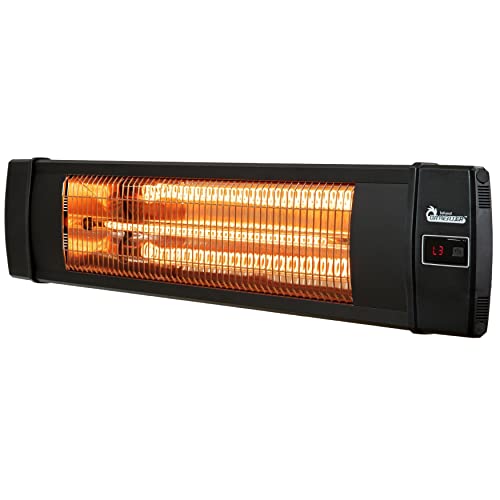
Indoor and outdoor usability is a core feature of this model, with IP55 approval making it suitable for patios, garages, and open-air spaces. The heater provides clean infrared heat across three power levels: 900W, 1200W, and 1500W. It operates on standard 120V and includes remote control for convenient adjustments. The unit emphasizes simple plug-and-go operation, helping users quickly create a comfortable environment anywhere heat is needed.
DR. Infrared Heater Portable Indoor/Outdoor With Remote (3-Way Mounting)

This model enhances flexibility with three mounting options: portable freestanding, wall mounting, or ceiling installation. A high-efficiency carbon infrared element and a 90% reflective mirror aluminum reflector help direct heat toward people and objects for faster warmth. It offers 900W, 1200W, or 1500W settings and a programmable timer up to 12 hours for personalized comfort and energy savings. The remote enables easy thermal adjustments from a distance.
DR. Infrared Heater DR-239 3000W Patio Heater

Designed for robust heating in larger spaces, this 3000W unit delivers instant carbon infrared warmth with no warm-up delay. It operates on 220V-240V and includes wall or ceiling mounting options suitable for commercial or residential use. An IP55 weatherproof rating supports outdoor placement, while the remote control provides convenient heat level adjustments and standby mode.
Briza Infrared Electric Patio Heater
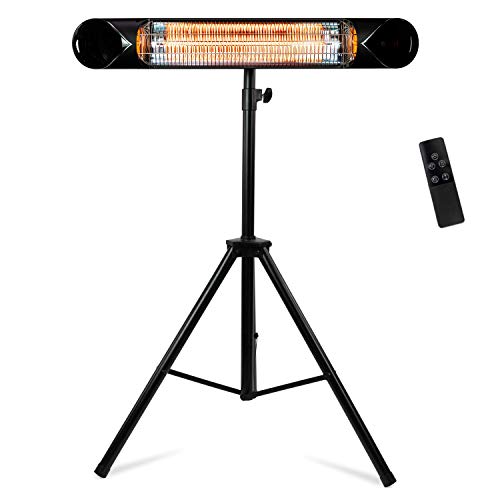
Briza offers dual mounting options, including wall or ceiling installation and an adjustable tripod stand. The remote control allows easy on/off, timer, and heat level changes from afar. A safety sensor adds protection by automatically shutting off if the unit is tipped, reducing fire risk and enhancing peace of mind for indoor and outdoor use.
Nfccra Outdoor Electric Patio Heater
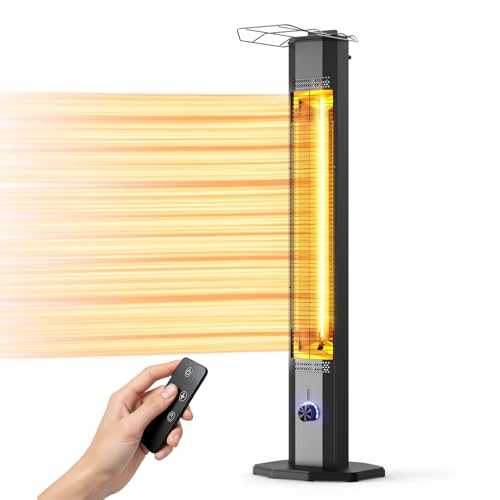
This 42-inch tall infrared tower provides full-body warmth with nine heat levels from 620W to 1500W and a nine-hour timer. The unit is IPX5 waterproof, offering weather resistance for patios, decks, or indoor spaces like garages. It includes a remote for comfort control and a safety feature set including tip-over and overheat protection, supporting dependable use in varied settings.
Nessxa 36-Inch Electric Patio Heater

With a 12-hour timer and energy-saving features, this 36-inch infrared heater emphasizes planned operation. It includes anti-tip and overheat protections and an IPX5 waterproof rating to withstand outdoor conditions. Two heat levels and a long-life design provide versatile warmth for garages, living spaces, and outdoor entertaining areas while helping manage energy use.
Buying Guide
Key purchase considerations help buyers select the best infrared heater for indoor and outdoor use:
- Heat output and range: Look for wattage options (900W–1500W typical) and, for larger spaces, 3000W models or taller towers to ensure even warmth across the area.
- Mounting flexibility: Decide between freestanding, wall-mounted, ceiling-mounted, or tripod stands. Some units offer multiple mounting modes to fit changing layouts.
- IP/Water resistance: Outdoor use requires weatherproofing (IP54–IPX5). Indoor use should still consider dust and moisture resistance in humid spaces like kitchens or garages.
- Heat distribution: Reflectors and infrared element design affect how heat is delivered to people and objects versus heating the air.
- Controls and timers: Remote control, programmable timers, and multiple heat levels enable personalized comfort and energy savings.
- Safety features: Look for tip-over shutoff, overheat protection, and UL or CSA certification to ensure safe operation in homes, restaurants, and workplaces.
- Installation effort and maintenance: Consider ease of setup, included mounting brackets, cords length, and routine maintenance needs.
- Energy efficiency and cost: Infrared heating generally uses less energy than propane or central heating; compare efficiency ratings and operating costs over time.