Air conditioner performance depends on how well the unit seals to windows and walls. Foam tape weather stripping offers a simple, affordable way to block drafts, reduce noise, and improve energy efficiency. This guide highlights five top foam tape options commonly used with AC units, including features like high resilience, self-adhesive backing, and compatibility with irregular gaps. Each product is selected for reliability, material safety, and ease of installation, helping you choose the right sealing solution for windows, doors, and portable AC setups.
Summary of Selected Products
| Product | Brand | Size | Type | Key Benefit |
|---|---|---|---|---|
| Fowong Air Conditioner Window Seal | fowong | 1″ x 1″ x 6.5 ft (two rolls, 13 ft total) | ||
| 2 Rolls 2″ x 0.5″ x 11 Ft | YIJUHOU | 2″ x 0.5″ x 11 ft | ||
| Yotache Window Seal Kit | yotache | 1″ x 1″ x 13 ft (two rolls) | ||
| YIJUHOU 2 Rolls 1.18″ x 1″ | YIJUHOU | 1.18″ x 1″ x 11 ft | ||
| YoleShy Window Foam Tape | YoleShy | 1″ x 1″ x 13 ft |
Fowong Air Conditioner Window Seal
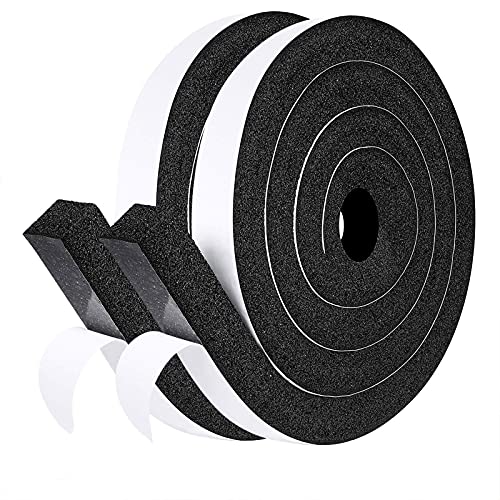
The Fowong kit provides two rolls of 1″ W x 1″ T x 6.5′ L foam strips, offering up to 13 feet of seal per package. Its high-resilience foam is designed to compress for an airtight seal while tolerating irregular gaps around windows and AC units. The tape is suitable for weatherproofing AC windows, HVAC enclosures, and other applications where drafts and noise ingress are concerns. The material is described as durable and adaptable to different surface textures, making it a versatile option for homes and RVs alike.
Key considerations: 1) Compatibility with uneven gaps; 2) Adhesive durability in varying temperatures; 3) Suitability for multi-surface use (windows, doors, and appliance enclosures).
2 Rolls 2″ x 0.5″ Weather Stripping

From YIJUHOU, this set includes two rolls of 2″ by 0.5″ cross-section, totaling about 11 feet. The open-cell foam is described as moisture-proof, weatherproof, and resistant to sound, making it well-suited for window and door sealing. A strong one-sided adhesive backing is highlighted to prevent degumming and to ensure cling to a variety of materials. This makes it a practical option for renters and homeowners seeking quick, mess-free installation.
Considerations: durability of the adhesive in sun exposure, compatibility with metal or painted surfaces, and whether the wider tape helps seal larger gaps around portable ACs or framed window openings.
Yotache Window Seal Kit

The Yotache kit features 1″ x 1″ foam strips across two rolls totaling 13 feet. Its premium open-cell NBR+PVC foam provides weather resistance, low toxicity, and resilience to compression. The tape is described as offering strong buffering to protect equipment and reduce noise, while serving as a versatile insulation solution for AC windows, doors, and even refrigerators or automotive gaps in some use cases.
Evaluation points: long-term resilience under temperature changes, ease of cutting, and whether the combined length matches typical window openings or door gaps in your home.
YIJUHOU 2 Rolls 1.18″ x 1″

This option provides 1.18″ x 1″ cross-section in two rolls, totaling around 11 feet. The open-cell foam is highlighted for moisture resistance, weatherproofing, and sound insulation, with a strong backing adhesive designed to adhere to various materials without excessive degumming. The product is positioned for sealing gaps around window AC units, doors, and other irregular spaces where drafts may enter.
Key factors: surface compatibility, ease of trimming to fit curved or irregular gaps, and its performance in high-humidity environments like kitchens or laundry rooms.
YoleShy Window Foam Tape

The YoleShy option offers a two-roll kit totaling 13 feet, with 1″ by 1″ cross-section. It uses NBR+PVC foam with a focus on easy-to-use, soft, non-toxic material that can reduce heat loss in winter and keep cool air indoors during summer. The product emphasizes general door and window sealing, as well as acting as a buffer for insulation projects beyond air conditioners.
Decision points: whether the white foam blends with your window frames, and how well it seals against irregular edges around portable AC units or mounted window frames.
Buying Guide: Key Purchase Considerations and Comparisons
Material and safety: All options use open-cell foam blends (NBR+PVC or similar). Look for non-toxic formulations and low VOCs, especially for indoor use around sleeping areas and kitchens.
Adhesive quality: Self-adhesive backings should resist debonding in varying temperatures and humidity. Some products mention “strong backing” or anti-degumming features—these affect long-term performance and easy removal if you need to adjust fit.
Thickness and density: Tape thickness (commonly 1″ or 0.5″) influences sealing capability. Thicker tapes often perform better at bridging larger gaps but may be harder to mold around curved surfaces.
Length and flexibility: Packages vary from roughly 11 to 13 feet per set. For large window openings or multi-gap installations, ensure total length meets your project needs and that you can cut the strips to the exact shapes required.
Surface compatibility: Most foams claim broad adhesion to painted walls, plastic, metal, and wood. Test a small area first, especially on delicate paints or glossy surfaces to avoid peeling or residue.
Installation ease: Self-adhesive strips simplify installation, but some users prefer non-adhesive options with glue points for more durable, customizable seals. Consider whether you need a quick fix or a long-term solution.
Temperature tolerance: Choose products rated for wide temperature ranges if your climate features hot summers and cold winters. This helps maintain the seal without cracking or losing elasticity.
Noise and insulation benefits: Open-cell foam often provides sound absorption in addition to air sealing. If reducing neighbor noise or indoor sound levels is a goal, select a product that highlights acoustic properties.
Compatibility with portable units: Some foams are marketed specifically for portable AC units and irregular gaps. If you own a window unit, prioritize products designed for that application to simplify installation and seal integrity.
In summary, when choosing foam tape for air conditioner sealing, balance length, thickness, adhesive reliability, and surface compatibility. Consider your specific window configuration, whether you need a quick DIY fix or a longer-lasting installation, and the environmental conditions in your home to achieve the best energy savings and comfort.