Choosing the right aluminum sheet metal siding can simplify trailer and RV upgrades, reduce maintenance, and deliver a clean, professional finish. This guide highlights five top choices that balance durability, ease of installation, and versatile applications—from trailer skins to wall coverings for food trucks and dry vans. Each product is evaluated on thickness, size, material quality, and practical benefits to help you pick the best match for your project.
Summary of Selected Products
- Blulu 4 x 8 ft Aluminum Trailer Skin 0.032″ (49″ x 96″) White — 1060 aluminum, 0.032″ thick
- Blulu 24″ x 120″ White Aluminum Plate Sheet Metal Trailer Skin 0.032″ — 0.032″ thick, 24″ x 120″
- Blulu 10″ x 120″ White Aluminum Plate Sheet Metal Trailer Skin 0.032″ — narrow strip, 0.032″ thick
- PRO-LINE TRAILERS Trailer Side Sheet Metal .030 — 4’ x 8’ Panels, white finish
- SIPIDEAUT Aluminum Diamond Plate Sheet 48″ x 96″ x 0.04″ — diamond plate for grip and durability
Blulu 4 x 8 ft Aluminum Trailer Skin 0.032″ White Camper Siding

The Blulu 4 x 8 ft trailer skin uses 0.032 inch (0.8 mm) thick aluminum, with overall sheet dimensions of 96 inches by 49 inches. Built from 1060 aluminum, it emphasizes durability and resistance suitable for enclosing trailers, food trucks, or RV siding. The white finish provides a clean, professional look while reducing seams for a neater install. Its metric-oriented tolerances aim for a snug fit across a range of projects, minimizing gaps in larger siding areas.
Blulu 24″ x 120″ White Aluminum Plate Sheet Metal Trailer Skin 0.032″
This Blulu sheet offers a long 120 inch length by 24 inch width in a 0.032″ thick profile. The 1060 aluminum construction delivers durability and corrosion resistance, making it a solid option for trailer siding, wall coverings in food trucks, or upgrading dry vans. The standard 24×120 footprint reduces the need for multiple pieces on larger installations, helping to create a seamless finish with fewer seams.
Blulu 10″ x 120″ White Aluminum Plate Sheet Metal Trailer Skin
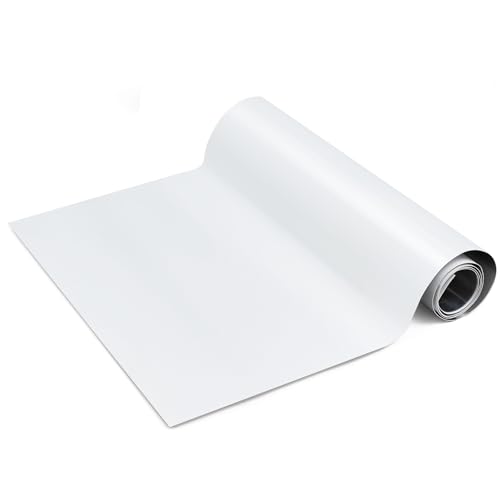
This narrow 10 inch by 120 inch Blulu plate sheet is also 0.032″ thick, made from 1060 aluminum. Its slender width is ideal for edging, narrow panels, or finishing trims on trailers and RV exteriors where wider sheets aren’t practical. The material’s durability and white finish support corrosion resistance and a clean exterior with fewer attachment points, helping reduce seams on long, continuous runs.
PRO-LINE TRAILERS Trailer Side Sheet Metal .030 4’x8’ Panels

PRO-LINE TRAILERS offers durable white .030 trailer sheets sized at 4 by 8 feet. The panels are designed for easy DIY installation and compatibility with a range of trailer types, including RVs and transport vans. Constructed from high-quality aluminum, they resist corrosion and weathering, supporting long-term exterior protection with straightforward cutting and fitting.
SIPIDEAUT Aluminum Diamond Plate Sheet 48″x96″ x 0.04″

This SIPIDEAUT diamond plate sheet provides 0.04″ thick aluminum with a raised pattern for extra grip and traction. The 48″ x 96″ size covers substantial areas and offers a durable, slip-resistant surface ideal for trailer sides and truck beds. Diamond plate panels add a distinctive, rugged look while enhancing structural resistance to dents and wear.
Buying Guide: Key Purchase Considerations
- Material and thickness: Thicker sheets (0.032″ to 0.04″) offer better impact resistance and long-term durability but can be heavier and harder to cut. Select thickness based on intended exposure and mounting method.
- Panel size and fit: Larger panels reduce seams but may require more precise cutting and alignment. Match panel dimensions to your trailer or RV skin area to minimize joints.
- Finish and color: White finishes resist staining and weathering, while diamond plate options provide grip and a textured look. Consider maintenance needs and aesthetic goals when choosing finishes.
- Alloy and corrosion resistance: 1060 aluminum is common for siding due to good formability and corrosion resistance. Ensure the alloy suits outdoor exposure and cleaning routines.
- Installation considerations: Look for sheets with tolerances that support snug fits. Plan for sealant, fasteners, and potential seam coverings to achieve a leak-proof exterior.
- Versatility: If you’re upgrading multiple vehicles (RV, food truck, dry van), panels that cover large areas in single pieces can simplify installation and create a cleaner finish.
- Availability of trim and accessories: Some products include matching nails or trims, which can simplify the finishing process and improve overall durability.
Additional Perspectives
When selecting aluminum sheet metal siding, buyers should weigh ease of fabrication against long-term maintenance. Diamond plate options deliver superior traction for floors and step areas, while smooth white panels offer a streamlined exterior with fewer textured surfaces to clean. For food trucks and mobile businesses, choosing panels with lower maintenance needs and strong weather resistance is essential. Existing toolsets and skill level also influence which panel size and thickness are most practical for a DIY install versus professional application.
Usage Scenarios And Practical Applications
- RV exterior skin upgrades to improve weather sealing and reduce maintenance.
- Trailer siding for enclosed cargo trailers, cargo vans, or concession trucks.
- Wall coverings and interior accents in commercial vehicles requiring lightweight, durable panels.
- Flooring and tread applications where diamond plate provides friction and durability.
- Trim and edging applications where narrow widths or precise lengths are needed.
Maintenance and Longevity
Aluminum siding generally resists rust and corrosion, making it suitable for varied climates. Regular cleaning with mild detergents helps prevent staining, while inspecting seams and fasteners during routine maintenance keeps panels secure. Diamond plate textures can trap dirt more easily; routine washing will maintain grip and appearance. For exposed areas, sealants or protective coatings can extend service life and minimize staining from weather and road debris.